Empowering Cancer Care: Insights, Advocacy, and Lifestyle Changes for Survivors
Navigating the journey of cancer survival is a profound experience that reshapes not just physical health, but the very essence of one’s identity. Cancer survivors are all too familiar with the rollercoaster of emotions, as they transition through phases of treatment, recovery, and ultimately, adaptation to a new normal. With advancements in oncology insights and a growing support network, there is hope and strength available for every cancer survivor. As we dive into this blog, let’s explore the essential insights, resources, and advocacy to uplift those who've battled this relentless disease.
Think about this: If you were suddenly faced with a cancer diagnosis, what would be your first step? Would you dive into extensive research on treatment options, or would you seek to understand your unique circumstances through an oncologist's expertise? The role of an oncologist is paramount—they are not just physicians, but navigators who help patients traverse the often turbulent waters of cancer care. Seeking their guidance is essential to understanding disease management from a clinical perspective, and finding the path that aligns with your individual health goals.
One of the most significant aspects of being a cancer survivor is the learning curve. Understandably, survivors may often ask themselves questions: "How do I manage my health in the long run?" or "What are the best health tips to prevent a recurrence?" The correct answers lie in reputable patient resources, where health education plays a crucial role. Survivors can access medical articles, participate in support groups, and keep abreast of research updates and health news—these resources empower individuals with knowledge and build a strong foundation for proactive health care choices.
Cancer prevention doesn’t stop once treatment ends. Instead, survivors are often encouraged to adopt a holistic health approach where lifestyle and cancer intersect. Nutrition, exercise, stress management, and mental wellness are vital components in this journey. Did you know that immune therapy is part of the evolving treatment landscape which emphasizes individual resilience? It’s about fostering a lifestyle that not only prioritizes cancer care but also enhances one’s overall quality of life. Engaging in holistic practices can bring the body and mind into harmony, vital for long-term recovery and well-being.
Finally, as we conclude this dance with resilience, let’s reflect on the power of cancer advocacy and awareness. Every survivor has a unique story that deserves to be shared and heard. Sharing experiences can ignite a wave of support, promote health advocacy, and raise awareness about crucial cancer symptoms. The journey might be fraught with challenges, but with the right insights, resources, and community, every survivor can write a new chapter of hope and inspiration. So, are you ready to embrace your journey and take proactive steps toward a healthier, happier you?
Empower Your Healing: Advocacy, Lifestyle Changes, and the Latest in Oncology
In the journey of battling cancer, empowerment is the true North Star guiding survivors towards healing and resilience. When diagnosed, the overwhelming sea of information often feels daunting, but gaining insights into oncology can illuminate the path forward. How can you take control of your healing? By becoming a vocal advocate for your own health, connecting with care teams, and exploring the latest advancements in cancer treatment options, you can transform your experience. This blog provides valuable oncology insights and resources to arm you with knowledge and strategies for survival.
Advocacy is not just a buzzword; it’s a lifeline for many cancer patients. 'You have to speak up, to be heard,' says Dr. Maria Thompson, a leading oncologist specializing in patient-centered care. Becoming proactive in your cancer care means understanding your rights, engaging in cancer advocacy, and seeking out patient resources that can aid your journey. It’s about demanding attention to the nuances of your treatment plan and emphasizing the importance of personalized care. Have you ever considered how your voice could not only elevate your experience but also pave the way for others?
Lifestyle changes can seem daunting, especially when faced with a cancer diagnosis. Yet, integrating health and wellness practices into your daily routine can drastically enhance your quality of life. From a balanced diet rich in nutrients to regular exercise adapted to your energy levels, these steps don’t just empower you; they fortify your body against cancer symptoms and promote overall health. Research updates suggest that a holistic health approach can significantly impact disease management. What lifestyle habits would you be willing to adopt for you and your loved ones?
Being aware of clinical trials can usher in hope for many survivors exploring their treatment options. These medical articles can provide leading-edge therapies, such as immune therapy, which can work alongside traditional treatments. Yet, how do you find the right one for you? It begins with being informed and engaging with your oncologist about available clinical trials. Be proactive! Research updates can keep you informed about the breakthroughs that could make a difference in your journey. Remember, knowledge is power!
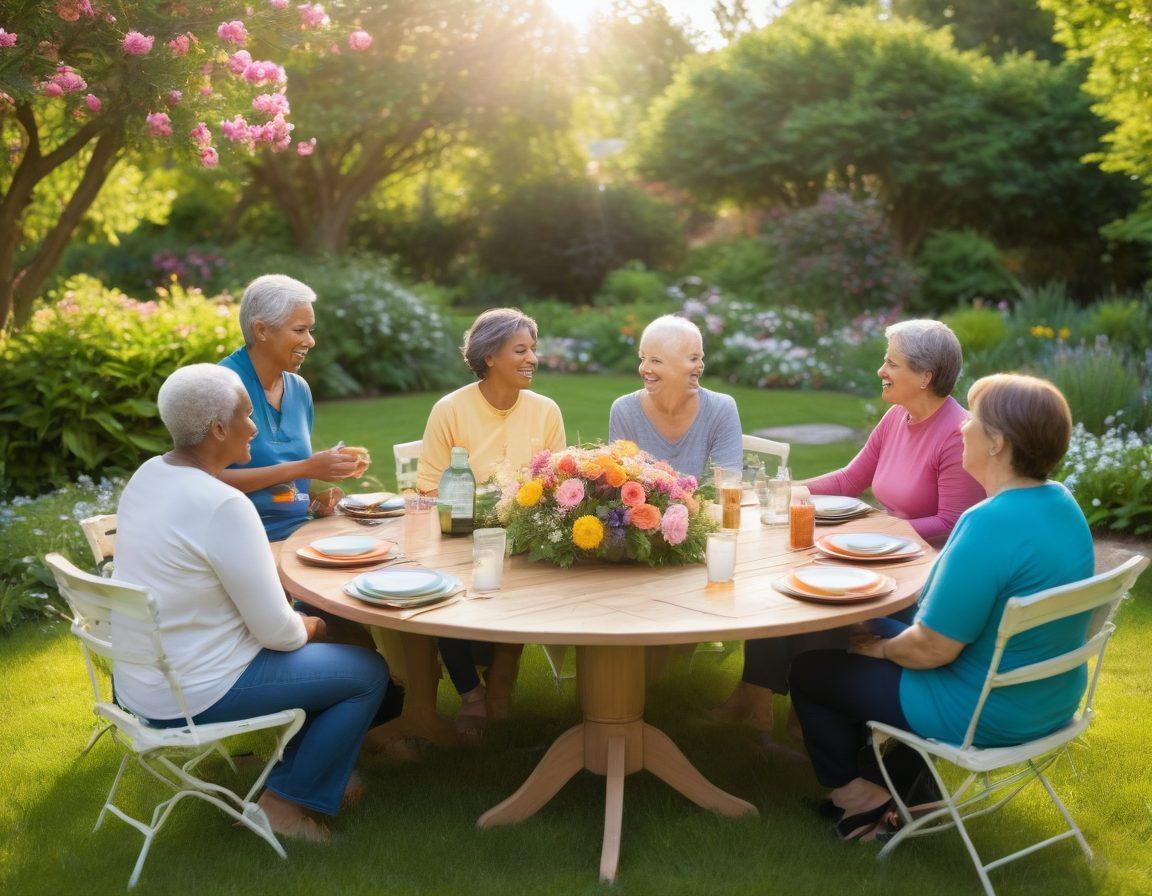
Support groups can often feel like a lifeline in the turbulent seas of cancer care. Here, you can share your experiences, gather health tips, and find solace in a community that understands your trials and triumphs. Health advocacy is about more than just treatment; it's also about cultivating connections that foster emotional sustenance. Have you considered joining a local or virtual support group? These connections not only help in the healing process but instill a profound sense of belonging and shared strength among cancer survivors.
From Awareness to Action: How to Support Cancer Patients and Embrace Wellness Strategies
Cancer—a word that can cast a lengthy shadow over the lives it touches. Yet, within that shadow lies a realm of strength, resilience, and above all, community. Have you ever considered what it might feel like to go through such a journey? Cancer patients often find themselves navigating the choppy waters of hospitals, treatments, and overwhelming information. But take heart; there are waves of support and wellness strategies waiting on the shore, ready to embrace them. In this piece, we’ll explore how to bridge the gap from mere awareness of cancer care to tangible actions that support patients in their quest for healing and wellness.
When we talk about oncology insights, we’re diving into a universe filled with knowledge waiting to be uncovered. This isn't just any medical jargon; it embodies the hopes and struggles of cancer patients and their families. Imagine being in a support group, exchanging stories of survival, navigating the common cancer symptoms, treatments, and holistic health options to enhance quality of life. A quote that resonates here is, "Knowledge is power, and community is strength." Let’s foster this connection by sharing cancer advocacy resources and healing information that enlightens those faced with cancer. They need to know they’re not alone, and every small step of awareness can lead to monumental changes.
So, how can we convert our cancer awareness into meaningful action? One pivotal way is by participating in various patient resources available, including support groups and health education programs. Engaging with an oncologist to discuss personalized treatment options can be a turning point. Are you aware that clinical trials can open doors to cutting-edge treatments like immune therapy? It’s vital to encourage patients to discuss these avenues with their healthcare providers and to remain informed with the latest health news and research updates.
Moreover, embracing lifestyle and cancer management can make a substantial difference. What if, along with traditional treatment, we incorporated health tips focusing on nutrition, exercise, and mental wellness? Such lifestyle changes can act as powerful agents in cancer prevention and survivorship. Imagining a day in the life of a cancer survivor, you might envision morning yoga sessions, recipes full of vibrant nutrients, and moments of mindfulness. When patients feel empowered to take charge of their health and wellness, they not only enhance their quality of life but also inspire those around them to do the same.
In closing, supporting cancer patients requires a proactive approach—one that permeates awareness and blooms into actions filled with empathy and education. Empowering cancer care is a shared endeavor; from enhancing awareness to participating in health advocacy, every action counts. So, the next time you interact with someone affected by this formidable disease, remember the journey they are on, offer your hand, share your insights, and encourage them to explore the myriad of resources available. Together, let’s foster a culture of compassion, informed choices, and robust support.